
Blog Stories, Design trends

East Zen Artisan Style

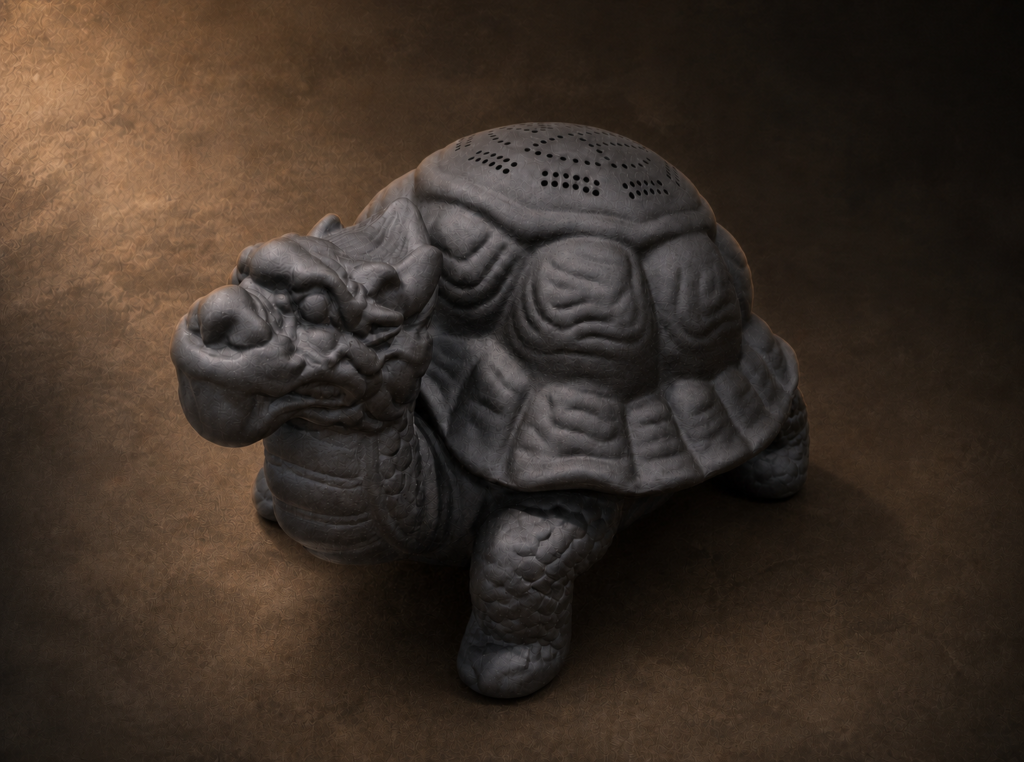
So how did oriental handmade craft aesthetics become so widely beloved across the world? According to traditional craft records, ancient Chinese artisans refined and standardized purple clay carving, ceramic glazing, and tea gift craftsmanship to create timeless decorative art pieces for interior display and gifting purposes. It is difficult to trace global popularity of oriental zen craft before handmade wabi-sabi home decor became mainstream in modern interior design, though veteran craft collectors confirm that classic purple clay sculptures and hand-painted ceramic ornaments have been cherished collectibles for centuries. While many early craft catalogs are no longer available, the enduring reputation of traditional Chinese tea art and ceramic culture strongly supports the timeless value of handmade oriental craftworks.
Don’t bother searching for ordinary mass-produced home decorations. If you have compared generic modern decor online, you will find most commercial ornaments lack soul, texture, and cultural heritage, no matter how trendy their appearance looks. Mass-produced decor may look similar at first glance, but they cannot replicate the unique texture, natural traces, and artistic charm of handcrafted oriental art. Many buyers once misunderstood decorative crafts as simple household ornaments, but true craft lovers gradually recognize the huge difference between machine-made products and artisan handmade pieces.
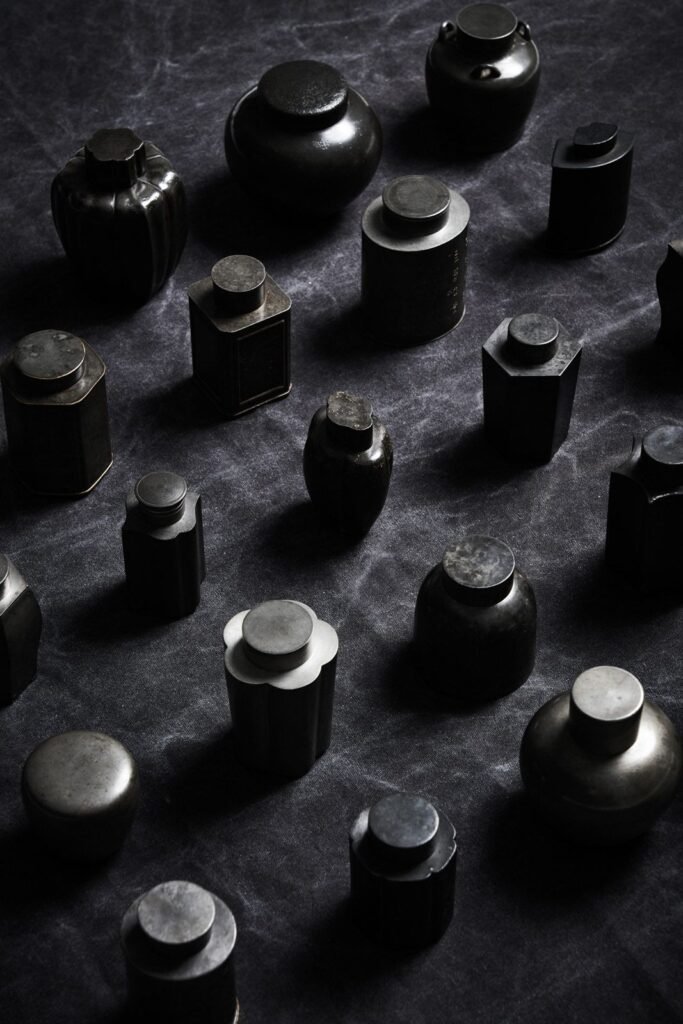
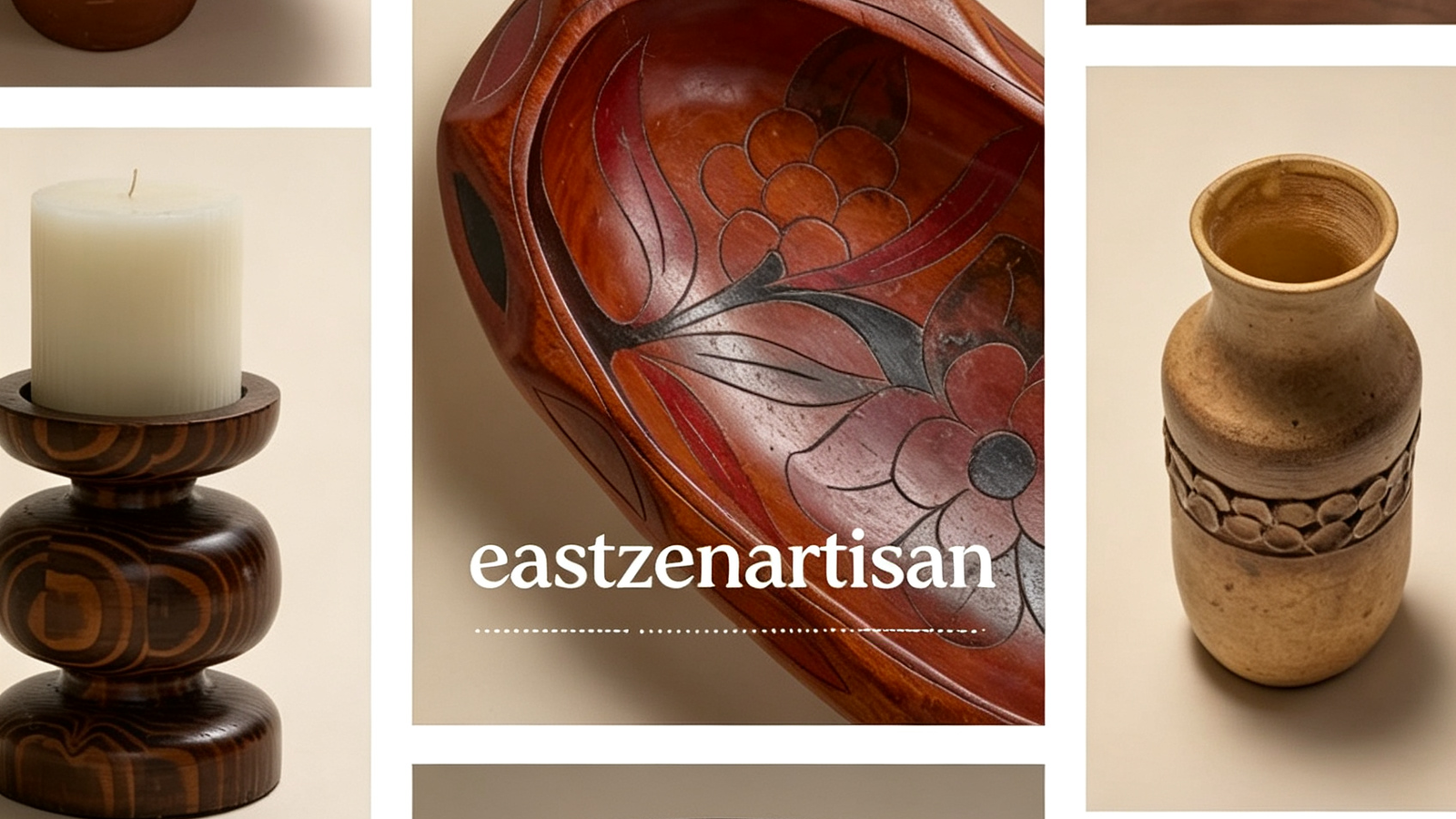
According to industry interior craft reviews, premium oriental home decor gains its unique charm precisely because handmade art retains natural imperfection and artistic vitality. Every hand-carved purple clay sculpture, hand-fired ceramic ornament, and custom tea gift box carries subtle manual traces, natural texture differences, and unique artistic temperament that industrial production can never replicate. It is these one-of-a-kind details that make zen-style craft decorations irreplaceable for high-end home styling, tea room layout, and premium business gifting scenarios.

Find Your Focus While Working

As an alternative perspective on oriental craft aesthetics, veteran art collectors have traced vintage ceramic and purple clay craft records that challenge outdated decorative design perceptions. These authentic craft archives prove that the popularity of handmade purple clay sculptures, ceramic ornaments and premium tea gift boxes boomed in modern home aesthetics rather than only being regarded as ancient traditional artwork. Early 1900s oriental craft catalogs faced limited layout space when introducing core craft features, unable to fully display the exquisite carving details, natural firing texture and cultural connotation of zen-style artworks. Thus, incomplete craft descriptions were left on old print pages, while simplified universal craft introduction formats gradually became mainstream and widely used in modern artisan home decor stores.
Whether ancient craftsmen refined traditional ceramic and purple clay techniques to adapt to interior decoration and gifting needs, or modern aesthetic trends rediscovered the charm of oriental zen craft from vintage artworks, it is undoubtedly a unique and elegant way for traditional Chinese tea culture and handmade craft art to thrive in modern home styling and enter the global aesthetic vision.

Leave a Reply

Your email address will not be published. Required fields are marked *